

By Abbas Nazil
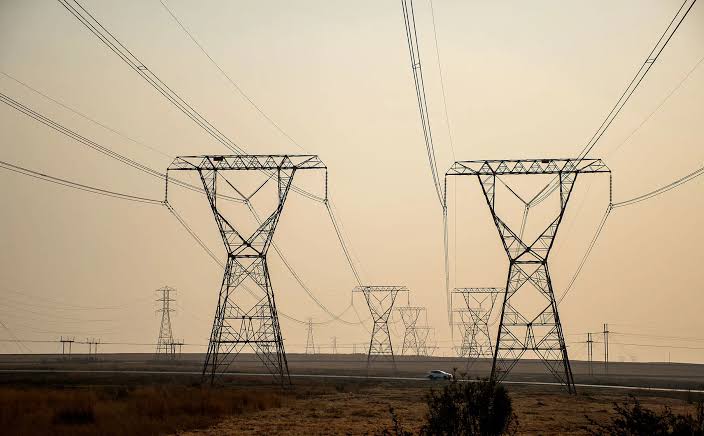
Africa is accelerating its renewable energy ambitions, but a severe lack of modern, interconnected power grids is threatening to undermine progress across the continent.
Despite possessing some of the world’s richest solar, wind and hydro resources, many African countries are struggling to move electricity from new generation sites to homes, industries and regional markets.
Hundreds of renewable energy projects, including solar farms in the Sahel and major coastal wind parks, remain unable to connect effectively to national or cross-border grids due to outdated infrastructure, constrained transmission capacity and a long-standing shortfall in investment.
Energy experts warn that the growing disconnect between power production and power delivery has become one of Africa’s most urgent development challenges, with implications for economic growth, industrialisation and climate resilience.
Global energy bodies estimate that Africa holds less than 3% of global electricity grid length, even though it accounts for nearly 18% of the world’s population.
To bridge this gap, the continent will require more than USD 200 billion in transmission and distribution upgrades by 2040, an investment needed to integrate renewable energy, meet rising demand and expand access in underserved regions.
A spokesperson for the Africa Energy Indaba noted that renewable projects risk becoming stranded assets unless governments and investors prioritise grid expansion.
They emphasised that robust grids represent not only an infrastructure priority but also an economic opportunity capable of driving employment, regional trade and long-term development.
The grid deficit directly affects several key sectors, including energy access, where more than 600 million people still live without reliable electricity.
It also limits industrialisation efforts, as manufacturers and processing plants require consistent and stable power to operate competitively.
The problem constrains job creation, since grid development projects typically generate both skilled and semi-skilled employment, supporting local economies.
It further undermines regional power trade, which depends on large cross-border interconnectors and strong national networks to enable power pooling and energy security.
Climate commitments are also at risk, as large-scale integration of intermittent renewables is impossible without modern grids equipped with smart technologies and high-voltage transmission.
Countries such as South Africa, Kenya, Morocco and Egypt are already experiencing project delays and curtailments as grid congestion prevents new renewable energy from being fully utilised.
At the same time, many utilities are hampered by aging networks, technical losses that can exceed 20% and limited capital for essential upgrades.
The rapid emergence of new energy hubs—including green hydrogen valleys, electric vehicle manufacturing zones, data centres, battery storage systems and industrial corridors—is intensifying pressure on existing infrastructure.
To address these issues, the Africa Energy Indaba 2026, scheduled for 3–5 March in Cape Town, will place grid development at the centre of its agenda, bringing together ministers, regulators, financiers, developers, utilities and international partners.
The forum will explore investment pipelines, financing models, smart grid technologies, public-private partnerships and the role of development finance institutions in accelerating grid expansion.
Organisers stress that modern grids are no longer simply wires and substations but the foundation of Africa’s economic future.
They warn that without decisive action, the continent’s clean energy transition will remain aspirational rather than transformative.
The call for urgent investment continues to grow, highlighting that interconnected, flexible and intelligent grids are essential not only for powering homes and industries but also for advancing climate leadership and inclusive development across Africa.
